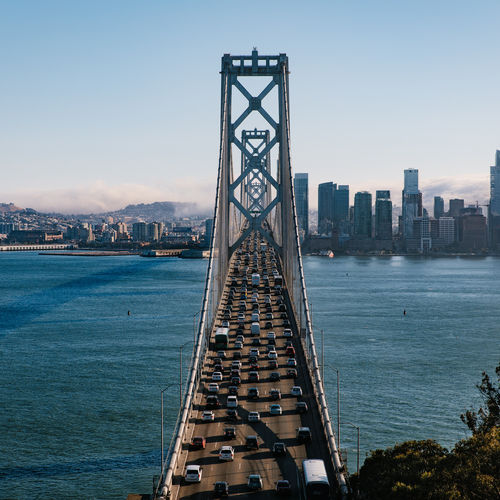

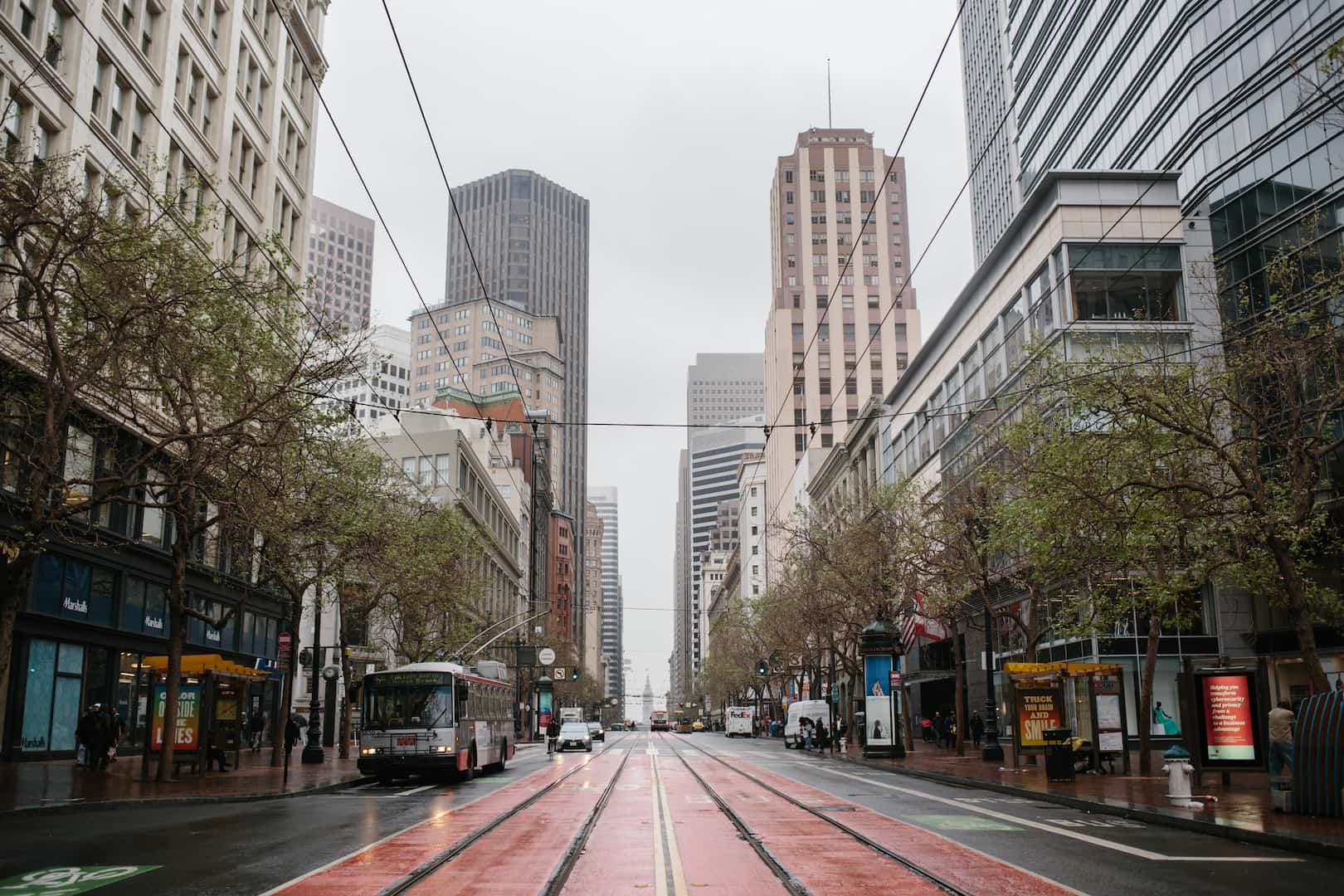
San Francisco is a city of neighborhoods, not a single housing market. Two homes ten minutes apart by car can feel like they belong to entirely different cities — one sun-drenched with wide streets and driveways, the other foggy, dense, and built for a life without a car at all. That's part of what makes buying here different from buying almost anywhere else: the "best" neighborhood isn't a fixed answer. It depends entirely on how you actually want to live.
If you're relocating to San Francisco, or you already know you want to plant roots here but haven't landed on where, this guide walks through the factors that actually matter — not just square footage and price per foot, but the day-to-day texture of life in different pockets of the city.
Start With Your Lifestyle, Not the Listings
It's tempting to start a home search by scrolling listings and falling for a kitchen or a view. But in San Francisco, the neighborhood will shape your daily life far more than the finishes inside the house. Before you tour a single property, it's worth getting honest about how you actually spend your time.
Do you want to walk to dinner most nights, or do you want a yard and a two-car garage? Are you commuting downtown five days a week, or working from home indefinitely? Do you want a bar scene within stumbling distance, or a quiet street where the loudest sound is fog rolling through eucalyptus trees? None of these are right-or-wrong questions — they're just the questions that should come before you start touring homes, because they'll immediately narrow your search from "all of San Francisco" to a handful of neighborhoods worth focusing on.
Walkability vs. Parking
San Francisco neighborhoods split fairly cleanly into two camps: places built for walking, and places built for cars.
Neighborhoods like North Beach, Nob Hill, Hayes Valley, and the Mission tend to be dense and walkable, with errands, restaurants, and transit close at hand — but street parking can be scarce, and many older buildings weren't built with garages. Neighborhoods like the Sunset, Richmond, and parts of West Portal and St. Francis Wood trade some of that walkability for garages, driveways, and easier parking, along with a more residential, suburban feel despite still being inside city limits.
Neither is objectively better. A retiree or remote worker who rarely needs a car might resent giving up walkability for a garage. A family with two cars and weekend trips to Costco might find hunting for street parking every night a dealbreaker. Be honest about which trade-off you can actually live with.
Commute Considerations
Even if you work from home most days, it's worth mapping out what a commute would look like from any neighborhood you're seriously considering — both to an office and to the places you'll frequent regularly, like a gym, a favorite grocery store, or family across town.
San Francisco's public transit (Muni, BART) is strongest along central corridors and in neighborhoods like the Mission, SoMa, and the Castro, where you're rarely more than a few blocks from a stop. Neighborhoods further out — the far Sunset, far Richmond, Bayview — may mean longer transit rides or heavier reliance on a car, especially during commute hours when the city's east-west arteries slow to a crawl. If you'll be commuting to the Peninsula or South Bay for work, proximity to 280, 101, or a Caltrain station may matter more than proximity to downtown itself.
Restaurants, Coffee Shops, and Nightlife
Some buyers want to be in the middle of it — walkable to a dozen restaurants, a late-night coffee shop, and a bar scene that doesn't require a rideshare home. Others want a quieter street where the neighborhood's social life happens somewhere else entirely.
The Mission, North Beach, Hayes Valley, and the Marina all offer dense concentrations of restaurants and nightlife within a short walk. The Castro and Cole Valley strike a middle ground — lively but more neighborhood-scale, with regulars who know the baristas by name. Further out, in the Sunset, Richmond, or Bernal Heights, you'll find pockets of excellent food and coffee, but the overall pace is quieter and more residential, with less of a late-night scene.
If eating out and casual nightlife are central to how you spend your evenings, weight this factor heavily — it's one of the harder things to compensate for once you've bought a home fifteen minutes from the nearest bar.
Parks and Outdoor Space
San Francisco is greener than its reputation suggests, but access to outdoor space varies a lot by neighborhood. Golden Gate Park anchors the western half of the city and puts the Sunset, Richmond, and Inner Sunset within easy walking or biking distance of hundreds of acres of green space. The Presidio does something similar for the northern neighborhoods — Presidio Heights, the Marina, and Pacific Heights. Bernal Heights and Twin Peaks residents get hilltop parks with sweeping views right in their backyard, while denser neighborhoods like SoMa or the Tenderloin have less immediate access to large green spaces, though smaller pocket parks fill some of that gap.
If daily dog walks, weekend picnics, or easy access to trails matter to you, it's worth actually visiting a neighborhood's parks in person — proximity on a map doesn't always translate to a pleasant walk once you factor in hills and traffic.
Families and Schools
For buyers with kids or planning for them, schools and family infrastructure often become the deciding factor. Neighborhoods like West Portal, St. Francis Wood, Miraloma Park, and the outer Sunset and Richmond tend to attract families, with a mix of well-regarded public and private schools, quieter streets, and more parks designed for young kids. Noe Valley has long been a favorite for families who still want walkability and a lively commercial strip nearby.
San Francisco's public school assignment system isn't strictly tied to home address the way many suburban districts are, so it's worth researching the current enrollment process rather than assuming your neighborhood guarantees a specific school. Private and independent schools are scattered throughout the city, so it's worth mapping out actual drive or transit times to any schools you're considering rather than relying on neighborhood reputation alone.
Sun vs. Fog
San Francisco's microclimates are famous for a reason, and they can vary dramatically over just a few miles. The eastern and northern parts of the city — the Mission, Noe Valley, Bernal Heights, the Marina, and North Beach — tend to see more sun and less fog, especially in summer. The western neighborhoods, particularly the outer Sunset and outer Richmond, sit closer to the ocean and catch the marine layer far more often, with cool, gray summer days that locals have nicknamed "Fogust."
This isn't a minor lifestyle detail. Buyers who move to San Francisco expecting California sunshine and end up in a foggy pocket of the Sunset are sometimes caught off guard. If weather matters to you, spend time in a neighborhood during different seasons and times of day before committing, not just on the one sunny Saturday you flew in for a tour.
Views
San Francisco's hills make dramatic views possible in a lot of unexpected places, but they come at a premium. Neighborhoods like Twin Peaks, Bernal Heights, Potrero Hill, Pacific Heights, and Telegraph Hill offer some of the city's best sightlines — bay views, skyline views, or sweeping vistas over the western neighborhoods toward the ocean. Views tend to raise price per square foot considerably, and they often come paired with steep streets, more stairs, and sometimes trickier parking or foundation considerations on older hillside homes.
If a view is a must-have, decide early how much of your budget you're willing to direct toward it, since it can meaningfully shrink the size or condition of home you can otherwise afford.
Housing Styles and Architectural Character
San Francisco's housing stock is a genuine architectural time capsule, and the style you're drawn to can help point you toward the right neighborhood. The Victorians and Edwardians of Alamo Square, the Haight, and the Mission are iconic for a reason — ornate facades, bay windows, and high ceilings, though often paired with narrower lots and older systems that may need updating. The Marina and Sunset lean more toward Mediterranean and mid-century stucco homes, many built after the 1906 earthquake and the 1930s-40s expansion west. Pacific Heights and Presidio Heights feature grander, more formal homes, while neighborhoods like Diamond Heights or parts of the Outer Sunset include more modern, mid-century construction.
If a home's character and era matter to you as much as its layout, touring several neighborhoods with an eye purely on architecture — before you fall in love with a floor plan — can help clarify where you actually want to be.
Where Buyers May Find More Space
Space is San Francisco's most precious commodity, and it isn't distributed evenly. Neighborhoods further from downtown — the outer Sunset, outer Richmond, Excelsior, and parts of the Bayview — tend to offer more square footage and larger lots for the price than denser central neighborhoods like the Mission, Nob Hill, or SoMa. Many homes in the outer neighborhoods also come with garages, backyards, or in-law units, which are harder to find (and far more expensive) closer to the city center.
The trade-off is usually distance from downtown, a longer commute, and, in some cases, more fog. For buyers who need more room — a growing family, a home office, space for guests — it's worth seriously weighing whether that extra square footage is worth the added distance, rather than assuming central neighborhoods are automatically the right fit.
How to Actually Experience a Neighborhood Before You Buy
Listings and neighborhood guides can only tell you so much. Before making an offer, it's worth spending real time in a neighborhood the way you'd actually live in it:
- Visit at different times of day. A street that feels quiet at 11am might be loud with restaurant traffic at 9pm, or eerily empty after dark.
- Visit on a weekday and a weekend. Commute traffic, parking availability, and foot traffic can shift dramatically between the two.
- Walk, don't just drive. San Francisco's hills and stairs mean a five-minute walk on a map can feel much longer in practice.
- Check the weather across seasons if you can. A neighborhood in June may look completely different in October.
- Talk to people who already live there. Baristas, dog walkers, and neighbors are often more candid than any listing description.
- Test your actual commute. Drive or ride transit at the time you'd realistically be doing it, not at an off-peak hour.
- Sit somewhere for an hour. A coffee shop or a park bench can tell you more about a neighborhood's daily rhythm than a dozen drive-bys ever will.
Why the "Best" Neighborhood Depends on the Buyer
Ask ten San Franciscans which neighborhood is best, and you'll likely get ten different, confidently held answers — and they'll all be right, for the person giving them. A young professional who wants to walk to dinner and skip the DMV line for a parking permit will thrive somewhere very different from a family that needs a yard, a garage, and a good elementary school. Someone chasing sunshine will make different trade-offs than someone chasing skyline views.
The most useful thing you can do as a buyer isn't to find the neighborhood everyone agrees is best — it's to get honest about your own priorities, visit enough neighborhoods to understand the real differences between them, and choose the one that fits the life you actually want to live, not the one that photographs best online. San Francisco rewards buyers who do that homework: the city is small enough to explore thoroughly, and varied enough that the right fit is almost always out there.
Check out this article next